Chronic Stress
Stress is a normal, necessary and healthy part of life. It is how we grow, how we gear up to move past obstacles and maintain the energy to persevere. It is important to differentiate between the different types of stress. Physical exertion, which engages the nervous system to increase the body’s ability to meet physical demand (such as increasing the heart rate to go up the stairs), should not be considered as stress. And there is a difference between healthy stress and unhealthy stress. Healthy stress increases adrenaline and cortisol but also excites and motivates (learn about “Eustress”). With acute stress, your body engages stress physiology for a short time, often due to a specific stressor, and then resettles. On the other hand, with chronic stress, there is long-term persistent stress physiology.
Visit BMYChronic Stress is linked to 50% increase risk of cardiovascular disease. ( Singlecare Team, 2021)
Studies find, stress responsible for 70% doctor visits. ( Stress Management Society, 2016)
Report in UAE Finds 89% of respondents experiencing stress. ( Khaleej Times, 2024)
Speak to our Specialists
Physical exertion, eustress, and even acute stress are not a problem. They can be good indicators of health ~ the ability to engage with life, the ability to manage stress well, and the ability to recover from stress and have greater resilience.
Problems happen when stress becomes chronic, meaning there is no space for the body and mind to feel at ease because the stress is non-stop. This is not healthy. Stress is a leading contributor to illness. This is an important matter to address. How does one thrive while staying healthy and well? An article in Khaleej Times shared that the UAE topped “global charts with exceptional vitality scores”. That’s great! At the same time, the stress levels in the UAE are exceptionally high, with 89% of respondents experiencing stress and nearly all respondents (99%) reported at least one symptom of burnout in the past year (Tesorero, 2024). By contrast, in the UK in 2024, for example, 34% of adults reported feeling high levels of stress often while 91% reported experiencing high stress at some point in the past year (Mental Health UK, 2025).
Importantly, the UK non-profit organization The Stress Management Society reported that stress-related issues are responsible for 70% of doctor visits and 85% of serious illnesses (Taking You from Distress to De-Stress a Guide, 2016).
Common health concerns related to stress (SingleCare Team, 2021):
- Chronic stress is linked to a 50% increased risk of cardiovascular disease and is associated with diabetes and obesity, which further raise the risk of heart disease.
- 76% of adults reported that stress impacted their health both physically and mentally, with symptoms such as headaches, pains and inflammation in the joints, overall tiredness, insomnia, anxiety, and depression.
- Prolonged stress can also lead to gastrointestinal problems, sexual dysfunction, and weight gain, in addition to exacerbating mental health with depression and anxiety.
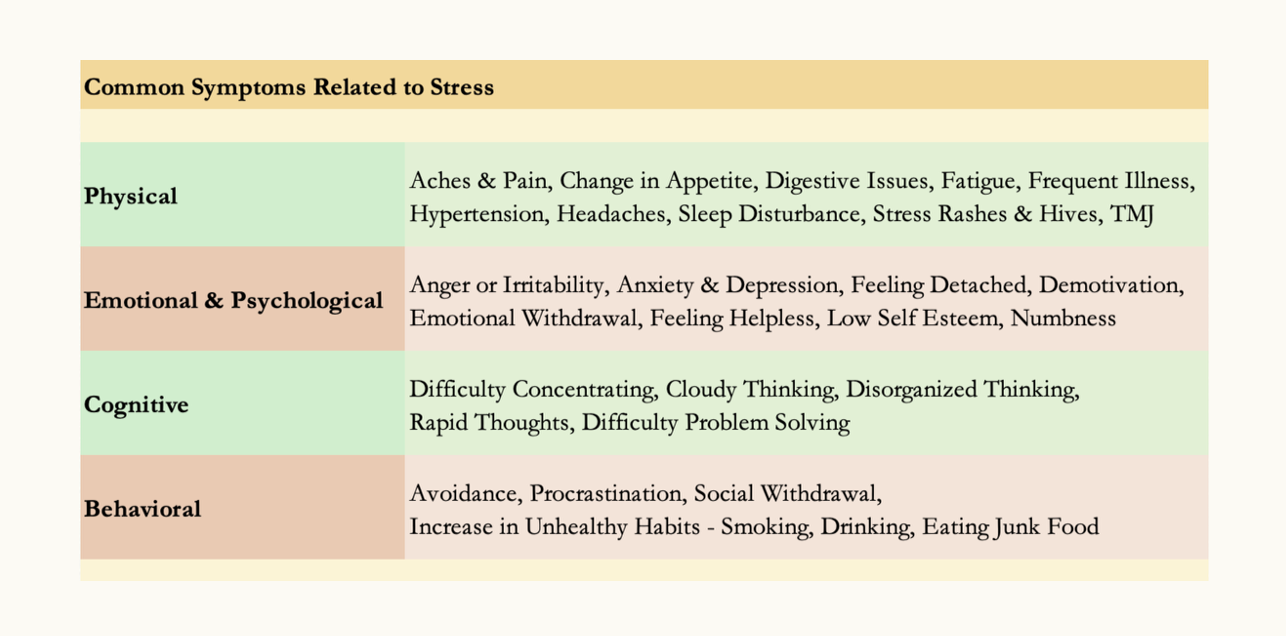
Chronic stress manifests through a wide range of symptoms that can affect the body, mind, emotions, and behavior. These symptoms often persist over an extended period and can significantly interfere with daily functioning and overall health. It is an unpleasant state of being that needs help in shifting back to regulation before it leads to more serious illnesses.

Stress Calculator
If you notice multiple symptoms persisting for several weeks, it may indicate chronic stress and warrant seeking support or professional help. If you have concerns about stress, you can try our complimentary Stress Calculator as a starting point for exploration.
Exercise & medication all linked to stress reduction. Systemic review of research also suggests Qigong may significantly reduce stress.
Lifestyle Medicine for Chronic Stress
One of the most important factors to address when it comes to chronic stress is lifestyle medicine. This entails looking at our daily habits and cultivating healthy, nourishing practices into our lives. Let’s think about this. We are natural, organic, social beings. And natural, organic social beings need basic elements in their lives in order to thrive and do well: enriching minerals, vitamins and calories through nutritious food, water and sunlight; restful sleep, enjoyable and strength-enhancing movement, and meaningful social interactions.
When we are experiencing stress, the need for these elements increases in order to de-stress and counterbalance. Studies confirm that exercise, meditation practices, and healthy social engagement reduce stress levels. Somatic Practices (such as QiGong, Yoga, etc.) have also been gaining recognition for their ability to help regulate the system and release stress.
A holistic psychotherapist helps address the complexity of aspects related to chronic stress.
Holistic Psychotherapy for Chronic Stress
Consult with our Holistic PsychotherapistHolistic psychotherapy combines traditional talk therapy with alternative and complementary methods. Traditional talk therapy offers the possibility for gaining more insight about aspects in one’s life, recognizing cognitive distortions that may be compounding the impact of stress, and identifying practical solution-oriented daily activities that can help manage as well as release stress. However, oftentimes there can be underlying unconscious patterns or trauma-related patterns that are contributing to the persistence of chronic stress. For example, common patterns associated with chronic stress include:
- People pleasing
- Difficulty setting boundaries
- Harsh inner critic
- Fear of failure
- Low self-esteem
- Guilt
These patterns can also contribute to, or be compounded by, unhealthy habits, toxic relationships, and work-related challenges.
A holistic psychotherapist can address the multilayered aspects of chronic stress, both attending to healthier coping mechanisms for managing stress better in the short-term, as well as going deeper within the sessions to create longer-term shifts in the internal patterns themselves. For instance, by working with clients somatically, clients can discover how to actively bring regulation to a stressed-out nervous system and help to activate the body’s natural capacity towards health and wellbeing. Working with a holistic therapist, clients can also improve self-awareness, strengthen their capacity for healthy boundaries, discover more effective communication skills, improve self-esteem, and foster personal growth. This empowers individuals to build resilience for future challenges.
Studies show craniosacral therapy reduces cortisol and corticotropin- releasing hormone ( CRH) levels, two primary biomarkers of stress.
Holistic Physiotherapy for Chronic Stress
Consult with our Holistic PhysiotherapistHolistic Physiotherapy integrates classical physiotherapy with visceral manipulation (VM) and craniosacral therapy as needed to help bring back greater well-being. Techniques such as manual therapy, massage, and soft tissue mobilization target areas where stress accumulates—like the neck, shoulders, and back—helping to reduce muscle tension and physical discomfort. Visceral Manipulation improves circulation, releasing tension around organs and enhancing the body's natural healing mechanisms. By softening adhesion that may have occurred between tissues and organs, VM can reduce inflammation and the long-term effects of stress on the body.
Additionally, the physical contact of manual therapy and body movement stimulates the release of endorphins, the body's natural pain and stress reducers, which can lift mood and promote relaxation. This approach supports whole-body balance while specifically targeting physical compensatory patterns created by chronic stress to support the return of structural and functional integrity of the entire body.
As chronic stress often manifests in the body in the form of muscle tightness, especially in the head, neck and spine, craniosacral therapy may help release the effects of chronic stress by easing tension patterns, particularly in the cranial and spinal areas, as well as easing fascial restrictions. Through the gentle contact that focuses on supporting the rhythmic flow of the craniosacral fluid, CT can induce the parasympathetic nervous system response, stimulating the physiology into the healthy rest and digest state.
You should consider starting sessions of holistic physiotherapy for chronic stress as soon as you notice persistent symptoms that affect your daily life, such as ongoing muscle tension, headaches, neck pain, chronic back pain, digestive disturbance, clenched jaw or TMJ, fatigue, sleep disturbances, or emotional distress. Early intervention can help break the cycle of physical discomfort and psychological strain that chronic stress creates.
Migraines
With more than one billion people affected worldwide, migraines are a prevalent health issue and con ...
Explore NowAnxiety 16623578cad46c.svg)
Anxiety disorders are some of the most common mental health disorders people struggle with. Over the ...
Explore NowDepression
Depression is a major health concern globally. The World Health Organization identified depression a ...
Explore Now