
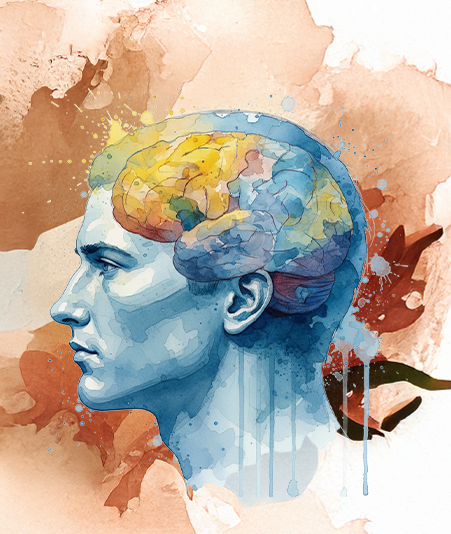
Biofeedback Therapy for ADHD
Harnessing Brainwaves to Improve Focus & EaseADHD is a prevalent challenge that is often overlooked among adults. However, ADHD has a significant impact on adults’ lives and can be very disruptive. While results can vary from person to person, some adults experienced improvements in concentration, impulsivity and stress resilience when including Biofeedback Therapy within a comprehensive treatment plan.
Request Appointment
About Biofeedback Therapy For ADHD
There are different forms of biofeedback and neurofeedback therapy. At BMY, our certified practitioner uses the INDIGO Biofeedback Therapy software to support adults with ADHD toward better focus, emotional balance and overall wellness. This is a non-invasive therapy that aims to bring back more balanced functioning through a bi-directional electric signals treatment.
What does that mean? If you have a smartwatch, you may be familiar with a biofeedback device that picks up signals from your body without you feeling anything. For instance, a smartwatch can pick up signals from the body and report to you the number of steps you have taken, your sleep pattern, and so forth, while you don’t feel a thing. The INDIGO Biofeedback Therapy works in a similar way. It picks up signals from the body without you feeling anything. The added therapeutic element is that it then sends back signals to the body to help it come into a healthier rhythm.
The software goes through a sequence for biofeedback therapy for ADHD as follows:
- Measuring the Body’s Electrical Signals
- Scanning for “Stress Signatures”
- Generating a “Stress Profile”
- Sending Corrective Frequencies Back to the Body
How Does ADHD Impacts Adults
Attention Deficit Hyperactivity Disorder (ADHD) is a chronic neurodevelopmental disorder characterized by patterns of inattention, hyperactivity, and impulsivity. While ADHD is usually diagnosed in children, adult ADHD can often be missed and go untreated. And though the signs and symptoms of ADHD can differ from person to person, ADHD can have a significant impact on a person’s life along several life domains as highlighted below:
Find UsWork & Career Stunting
Missed deadlines, poor time management. Frequently changing jobs, underemployment despite potential. Trouble with team dynamics or authority figures. May perform well in short bursts but struggle with long-term consistency.
Relationship Problems
Impulsivity or distractibility can cause conflict in romantic or family relationships. Struggle with listening, remembering commitments, or managing emotions. Parenting Challenges: inconsistent discipline, difficulty staying present.
Mental Health Challenges
Strongly linked with anxiety, depression and low self-esteem. Higher risk of substance use disorders. Emotion dysregulation: frequent frustration, irritability, or mood swings. Chronic sense of underachievement or failure.
Executive Function Difficulties
Difficulty planning, prioritizing, and self-monitoring. Disorganization in daily life: bills unpaid, cluttered spaces. “Paralysis” when faced with tasks that require sustained attention. Reliance on urgency or crisis to get things done (“last-minute syndrome”)
Physical Health Concerns
Missed medical appointments, poor sleep hygiene, difficulty maintaining routines. Increased risk of traffic accidents due to impulsivity or inattention. Neglect of long-term health: diet, exercise, and medication adherence.



Book A Biofeedback Therapy for ADHD Appointment
Share your information and request your appointment with a click of a button
What are the Strengths of ADHD?
ADHD is often framed in terms of deficits. But many adults with ADHD possess unique strengths that, when recognized and supported, can become powerful assets in both personal and professional life. Here are some of the commonly recognized strengths of people with ADHD:
- Creativity & Imagination
- Hyperfocus
- High Energy & Enthusiasm
- Intuition and Emotional Insight
- Flexibility & Adaptability
- Multi-Tasking
The question worth raising, then, is how do we recognize the gifts of ADHD and get the support to manage the disruptive elements that can negatively impact important areas in our lives?
What are the long-term consequences of ADHD if left untreated?
Very often, ADHD among adults can go undiagnosed and untreated. However, as described above, ADHD can significantly impact one’s life. Here is an overview of some of the long-term consequences of ADHD if left untreated:
- Lower educational attainment
- Relationship difficulties
- Higher rates of divorce
- Increased risk of car accidents or injuries
- Work instability
- Professional stunting
- Financial instability (due to impulsive spending, missed work)
While this may be concerning, it is important to know that there are different treatment options that can help manage the symptoms of ADHD and reduce the impact it has so as to experience more success and overall wellbeing.
What are the Current Treatment Approaches For ADHD?
Because the best treatment for ADHD will be different from one person to another, it is important to consider different ADHD treatment options. There is not a one-stop treatment for ADHD, as the symptoms vary from person to person. Below are some of the common treatment approaches used to manage ADHD symptoms:
- Prescription Stimulants for ADHD treatment (Drugs: Stimulant Medications): Medications that are commonly prescribed for ADHD include stimulants such as methylphenidate (Ritalin, Concerta) and amphetamine (Adderall, Vyvanse). They raise the brain chemicals dopamine and norepinephrine, which can increase attention and focus. If stimulants don't work well or cause significant side effects, non-stimulants like atomoxetine (Strattera) or guanfacine (Intuniv) may be considered. When deciding on including medication as part of the treatment plan, this should be done with a licensed psychiatrist.
- Psychotherapy for coping with ADHD: Psychotherapy can be very helpful for adults with ADHD. While medication is often the first-line treatment, therapy can address areas medication does not, such as emotional regulation, self-esteem, daily functions, and relationship dynamics. It is always better to have a comprehensive treatment approach.
- Somatic Therapy for ADHD: Somatic Therapy can help adults with ADHD by increasing capacity for emotional regulation, nervous system regulation, body awareness & grounding, and managing trauma or rejection sensitivity.
- Alternative Approaches for treating ADHD: Alternative approaches such as homeopathy and biofeedback therapy for ADHD can offer complimentary treatments to support the improvement of symptoms and quality of life.
- Lifestyle Changes: A healthy diet that includes fruits, vegetables, and whole grains can help with managing ADHD symptoms. Increased exercise in the daily routine has been proven to improve concentration and reduce hyperactivity. Maintaining good sleep quality and regulating sleep hours is also essential for ADHD.
- Digital Therapeutics and Devices: There are many apps and digital tools that can assist with time management, organization, and task completion for individuals who may struggle with these day-to-day activities.
When it comes to overcoming the symptoms of ADHD and experiencing greater success and joy in navigating life, it is important to take a comprehensive, holistic approach to treatment. Finding the best treatment for ADHD is an individual experience. As such, finding clinicians that advocate for a collaborative approach that supports your healthcare preferences can lead to better ADHD treatment outcomes.